
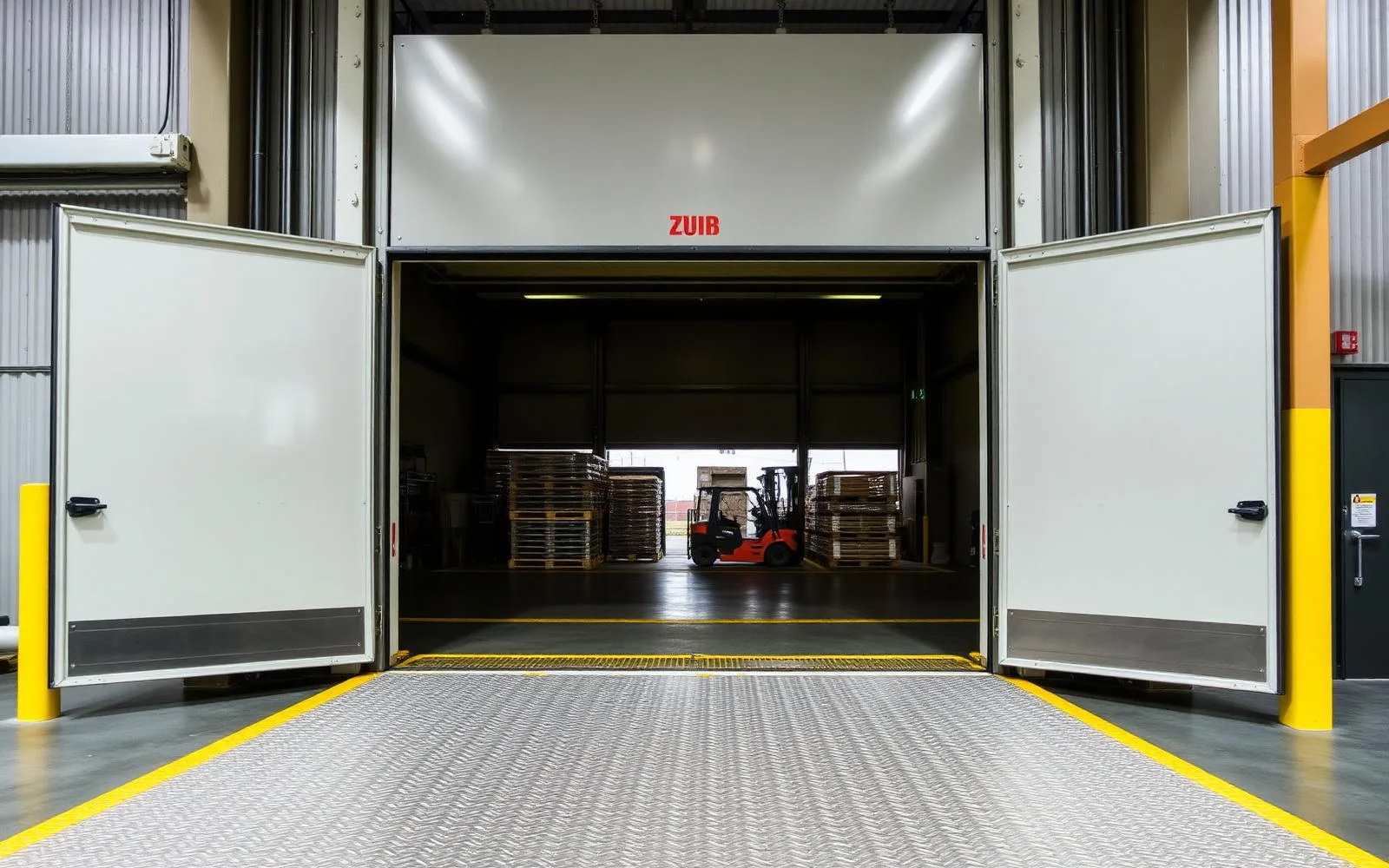
What Safety Standards Govern Heavy-Duty Cargo Lifts in Pakistan?
EN 81-20/50, ASME A17.1, ARD, overload sensors and PEC electrical compliance for 3000 KG+ freight elevators.
What EN 81-20/50 requires
Entrapment protection, uncontrolled car movement (UCM) devices, door interlocks with monitored contacts, safety-gear engagement at overspeed (typically 115% of rated + minimum 0.30 m/s), buffer systems and defined test methodology — verified through third-party 125% static and 110% dynamic load testing at handover.
Why ARD is non-negotiable
ARD drives the elevator at 0.15–0.30 m/s to the nearest floor on power failure and opens doors — mandatory for every occupied-floor lift. For cargo lifts in cold storage or continuous-shift operations, size the ARD for 60-min standby with dual battery banks and monthly capacity test.
When PEC sign-off applies
Every commercial and institutional cargo lift needs PEC-registered engineer sign-off on the design calculation, installation supervision, electrical single-line and commissioning report before handover. Insurance carriers increasingly require this on renewal too.
Overload and door safety on cargo
Rope-head load-weighing devices provide pre-torque compensation on start and generate the overload alarm above 110% rated load. Bi-parting and roller-shutter doors need timed retry, closing-force limits and — for goods lifts served by attendants — an additional key-operated bypass with clear signage.
Talk to a Liftech engineer
Have a project in Pakistan? Our engineers can advise on specification, modernization or AMC.
Contact us